

 Loading...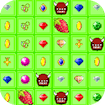







BattleBox: remember the grid, find the treasure
BattleBox is a puzzle adventure built around memory and risk. The player searches a hidden grid for treasure while monsters threaten the route. The important choice is not simply where to click next; it is whether the player can remember the layout well enough to move toward riches without spending all of the available health. Strawberries provide a way to maintain that health, which gives the adventure a second objective alongside treasure hunting. Every choice can therefore improve the run or make the next discovery more dangerous.
The catalogue identifies BattleBox as a portrait-oriented Construct 3 game released on November 22, 2022, with a community rating of 8.8. The portrait layout suits a compact board that can be studied from top to bottom. The supplied description emphasises hidden treasure, dangerous monsters, recall of the secret grid, and strawberries. These elements create a clear starting strategy: observe first, remember the safe information, and use health recovery to keep exploration possible when the route becomes uncertain.
Build a memory map
At the beginning of a run, resist the urge to select the first attractive square immediately. Look at the grid and note the information the game reveals. A useful memory map does not need to record every visual detail. Remember the location of a promising route, the position of a strawberry, and any square associated with a monster or blocked path. Then use one move to test the next part of the layout. This small pause turns the board from a collection of guesses into a route that can be improved with each attempt.
Treasure is the natural reward, but the safest treasure path may not be the shortest one. If a direct move leads toward a known danger, consider whether a nearby recovery item makes the detour worthwhile. Strawberries change the value of risk because they can restore the health needed for another discovery. Do not collect them without thinking, though. If health is already high and a monster is close, a safer move may preserve the recovery item for the point where it matters most.
When a monster appears, treat it as information about the grid. It reveals a square that should be avoided or a route that requires more careful recall. A mistake is less costly when it teaches you where the danger lives. After the encounter, update your mental map and choose the next move from that new information. BattleBox rewards memory that changes over time. The player who keeps repeating an old assumption will struggle; the player who records the result of each discovery can gradually make the hidden layout more manageable.
Balance health and curiosity
Health is the resource that allows exploration to continue. Watch its level before entering a section that contains several unknown squares. A bold move may be reasonable when a strawberry is nearby, but a blind chain of moves can leave the character unable to recover. The best route is often one that creates more information per unit of risk. Take a safe discovery, return to a known area, and then use that knowledge to approach the treasure from a better angle.
Memory games become easier when the player uses landmarks. In BattleBox, a strawberry or a distinctive grid position can act as a reference point. Remember how many moves separate that point from a treasure path, and use it to reconstruct the route after a mistake. Landmarks reduce the amount of the board you need to memorise at once. They also make a return visit more efficient because the player can start from a familiar piece of information instead of relearning everything.
The portrait format encourages a focused session. Keep the grid large enough to read clearly and avoid covering it with a finger while selecting a square. On a desktop, use the pointer precisely; on a touch screen, tap the centre of the intended cell and wait for the visual response. A deliberate input matters because the puzzle depends on knowing which square was actually chosen. When the board responds, give yourself a moment to update the memory map before moving again.
Turn a failed run into a route
A loss in BattleBox can reveal more than a successful shortcut. Note where the monster appeared, whether the health was already low, and which part of the grid was still uncertain. On the next run, change one decision. You might take a strawberry earlier, avoid the known monster square, or approach the same treasure from a different landmark. This makes the game feel like an investigation. Each attempt adds a small piece to the map, even when the treasure is not reached.
BattleBox is satisfying because it asks the player to combine recall with judgement. Treasure creates the reason to explore, monsters create the risk, and strawberries make health management part of the route. Start by studying the grid, keep a few reliable landmarks in mind, and protect the resources that allow another discovery. The game does not need a fast pace to create tension; the uncertainty of the next square is enough when every move changes what you know.
Practical notes for a return visit
Before the next attempt, decide whether the priority is memory or treasure. A memory-first run can map safe squares and item locations without taking unnecessary risks. A treasure-first run can use that information to choose a more direct route. Switching between these goals gives the session structure and prevents the player from treating every move as an urgent gamble.
Strawberries are especially useful when they are considered as part of a route rather than as isolated pickups. If the item allows another exploration step, it may justify a detour. If reaching it forces the player past an unknown danger with very little health, waiting may be wiser. Compare the likely information gained with the cost of the move. This is the kind of small calculation that makes the puzzle feel strategic.
Keep the memory map simple enough to use under pressure. One safe landmark, one danger, and one recovery point can already improve the next route. As the board becomes clearer, add more detail. BattleBox rewards a player who learns gradually: remember what matters, preserve health, and approach the next treasure with a plan that grows from the previous attempt.
More Featured Games
Browse the Featured Games collection or continue with Robo-Butcher and Perimeter – Legate Edition.
Frequently Asked Questions
What is BattleBox about?
BattleBox is a puzzle adventure built around memory and risk. The player searches a hidden grid for treasure while monsters threaten the route. The game frame above contains the current playable version and may change when the provider updates it.
How do you control BattleBox?
BattleBox is a puzzle adventure built around memory and risk. The player searches a hidden grid for treasure while monsters threaten the route. Use the inputs shown by the live game, because controls can vary by device and provider version.
Does BattleBox work on mobile?
If the current provider build exposes touch support, it can be tried in a mobile browser. Otherwise use a desktop browser and the controls shown in the frame; performance and orientation can vary by device.