

 Loading...



About My First 100 Words
My First 100 Words links a picture, a word and a sound
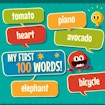
A new vocabulary item is easier to remember when it arrives in more than one form. My First 100 Words pairs an emoji with written text and pronunciation audio. A round then asks you to recognise the requested items and select them in order. The player is doing more than matching pictures: they are connecting meaning, spelling and sound.
A gentle way to begin
Let the introduction to each word finish before answering. Look at the image, read the label aloud if that helps, then listen to the audio. When several items are requested, repeat their order to yourself before selecting the first emoji. On a laptop use the mouse; on a phone or tablet, tap the choices. Accuracy matters more than rapid taps, especially when two emojis are visually related.
The game includes English, Spanish, French and Norwegian vocabulary and presents a progression of 31 levels. That does not mean every player should race to level 31. A useful short session might focus on only the unfamiliar words in one level. If the answer is wrong, replay the sound and find the visual feature that distinguishes the correct emoji from the one you chose.
For a child and an adult playing together
One person can say the word while the other points to its image, then swap roles on the next round. Ask “what did you hear?” before revealing the answer. This turns an automatic tap into a small conversation about the word. If pronunciation is new, avoid treating a hesitant response as failure; listen once more and try again.
My First 100 Words is a practice tool, not a test of fluency. Its value comes from repeated, low-pressure contact with everyday language. For another picture-based memory task without vocabulary audio, Kobadoo Emojis asks you to recall the order of visual items.