

 Loading...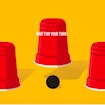







Three Cups Game: follow the hidden object through every shuffle
Three Cups Game is a memory and observation puzzle based on the classic shell game. An object disappears under one of three moving cups, and the player must keep track of the correct cup until the shuffle ends. The idea is familiar, but the challenge grows as the stages become faster and harder to follow. Success comes from maintaining a visual reference without letting the movement of the other cups pull attention away from the hidden object.
The title uses Construct 3, was released on November 27, 2024, and carries a community rating of 9.2. It supports landscape and portrait presentation, so the three cups can be followed on a wide desktop view or a taller mobile screen. The confirmed controls are mouse or touch: watch the shuffle, then select the cup that should hide the object. The catalogue describes the game as focus and memory training, but the practical task is simple and concrete—observe, track, choose.
Choose one cup as your anchor
When the object is placed, select one cup to follow and keep that cup as the main visual anchor. The game’s hint recommends concentrating on just one cup, which is useful because trying to compare all three throughout a rapid shuffle can overload attention. Track the chosen cup’s position as it moves, and notice when another cup crosses in front of it. The moment of crossing is the point at which careful observation matters most.
Use the mouse on desktop or tap the screen on a mobile device when the shuffle is complete. Do not click early simply because one cup looks familiar. Wait for the game to make the selection stage clear, then choose the cup that your visual track identifies. A confident answer should come from the movement you followed, not from the cup’s final colour, position, or appearance.
The wide layout can make the three positions easy to compare, while portrait mode may bring the cups closer to the hand. In either orientation, keep your eyes on the moving anchor rather than scanning randomly from left to right. If the cups overlap, continue with the same visual target. The object has not changed simply because another cup briefly covers it.
Break a fast shuffle into moments
Faster stages can feel like one continuous blur, but the movement is easier to remember as a series of events. Notice the first exchange, the second crossing, and the final position. If the target cup moves from left to centre and then crosses to the right, store that sequence as a short route. The player does not need to describe every cup. The goal is to remember where the selected cup went.
When two cups swap places, treat the swap as a landmark. Keep following the original cup after the crossing instead of allowing the eye to transfer automatically to the cup now occupying its old position. This is where many mistakes happen: the brain recognises a familiar location and assumes the object stayed there. Three Cups Game rewards the player who follows identity, not just position.
Use a steady gaze and avoid unnecessary head or pointer movement. The mouse or finger is needed only for the final choice. On touch, keep the hand away from the moving cups until the selection is ready. On desktop, place the cursor nearby without letting it become a second moving object. Reducing visual noise makes the shuffle easier to read.
Let each guess improve the next one
A wrong answer is useful when the player can identify the moment the track was lost. Did the selected cup cross behind another? Did the player follow the cup’s destination instead of its identity? Did the shuffle become too fast to divide into events? Name the break in attention, then use the next stage to watch for that specific moment. A general attempt to “focus harder” is less practical than one clear observation goal.
Correct guesses also deserve review. Remember which crossing was most difficult and what kept the target visible. This creates a repeatable strategy for the next level. A player can improve not only by getting more answers right, but by becoming better at recognising the visual cues that protect the correct answer.
The game’s progression is designed to increase pressure gradually. Early stages can be used to practise the one-cup anchor. Later stages ask whether that technique remains stable when the speed shuffle intensifies. If a difficult level defeats the track, return to an easier one and rebuild the habit. A short successful sequence can restore the visual rhythm needed for the next challenge.
Use the screen orientation intelligently
Landscape mode gives the cups more horizontal separation, which may help when the shuffle crosses from one side to the other. Portrait mode keeps the game comfortable for a quick one-handed session. Try the orientation that lets you see all three cups without scrolling or holding the device awkwardly. The layout should support the observation task rather than compete with it.
Keep the game frame large enough to distinguish the cup that you are tracking. If the cups become visually small, the difference between following the target and guessing its position becomes harder to feel. A clean view also makes the final click or tap more accurate. The control is simple, but an accidental selection can look like a memory error when it was really an input mistake.
Three Cups Game is engaging because its rule is instantly understood while the speed keeps demanding attention. It can be played casually as a quick guessing game or approached deliberately as a test of tracking. Watch one cup, divide the shuffle into landmarks, and wait until the selection is ready. Correct answers feel satisfying because the player has held onto the hidden object through movement designed to distract.
A focused shuffle routine
On a return visit, choose the left, centre, or right cup before the movement begins and commit to tracking it. After the shuffle, say its final position mentally before touching the screen. If the answer is wrong, replay the movement in short steps and identify the exact crossing that broke the track. This routine turns an intuitive puzzle into an observable skill.
Do not change the anchor halfway through a shuffle just because another cup becomes easier to see. The goal is to follow the original cup, even when the scene is designed to encourage a switch. Consistency makes the later stages more manageable because the player’s attention has one job.
With mouse or touch input, select only after the game signals that the cups have stopped. Three Cups Game rewards patience, visual memory, and a steady choice. The fastest answer is not necessarily the best one; the accurate answer belongs to the player who kept the hidden object in view.
More Featured Games
Browse the Featured Games collection or continue with Robo-Butcher and Perimeter – Legate Edition.
Frequently Asked Questions
What is Three Cups Game about?
Three Cups Game is a memory and observation puzzle based on the classic shell game. An object disappears under one of three moving cups, and the player must keep track of the correct cup until the shuffle ends. The game frame above contains the current playable version and may change when the provider updates it.
How do you control Three Cups Game?
Three Cups Game is a memory and observation puzzle based on the classic shell game. An object disappears under one of three moving cups, and the player must keep track of the correct cup until the shuffle ends. Use the inputs shown by the live game, because controls can vary by device and provider version.
Does Three Cups Game work on mobile?
If the current provider build exposes touch support, it can be tried in a mobile browser. Otherwise use a desktop browser and the controls shown by the frame; performance and orientation can vary by device.