

 Loading...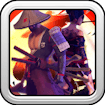







Samurai Brawling: fight through close-range battles as Arashin
Samurai Brawling places the player in the role of Arashin, a warrior who has to survive a series of direct confrontations. The action is built around movement, timing and attacks at close range rather than long-distance shooting. That focus gives every encounter a clear shape: get into a useful position, read the opponent, choose the right strike and move before the next attack arrives. The setting suggests a traditional samurai adventure, but the browser format keeps the opening simple enough to begin quickly.
Arashin is not effective by standing still. The game’s challenge comes from the short distance between the player and the enemies. A step in the wrong direction can leave the warrior exposed, while a well-timed move creates the space needed for another attack. The best early habit is to separate movement from panic: first decide where the character should be, then use the attack input when the opponent is within reach. This makes the fight easier to understand than repeatedly pressing keys without watching the result.
How the brawling loop works
Each fight can be read as a compact exchange. The opponent approaches, Arashin adjusts position, and an attack changes the distance or the balance of the encounter. When several enemies are present, the order in which they are approached matters. A player who walks directly toward the nearest target may allow another foe to close in from the side. Moving to a safer line first can make the next strike more deliberate and gives the screen less visual chaos.
Samurai Brawling rewards attention to the moment after an attack. Do not assume that one successful hit finishes the exchange. Watch whether the enemy is still moving, whether Arashin has been pushed away and whether another opponent has entered range. The follow-up decision can be another strike, a short repositioning move or a retreat to avoid being surrounded. This rhythm makes the game feel like a brawler with a tactical edge instead of a simple button-mashing challenge.
Movement and attack controls
The catalogue information for Samurai Brawling identifies keyboard movement and attacks, with the arrow keys used to move Arashin and the spacebar used to strike. Combined keys can produce stronger attacks according to the listed game information. Start with the basic movement and spacebar attack before trying combinations. A player who knows where the character is standing will get more from a stronger move than someone who activates it while facing the wrong direction.
Use small directional presses when an enemy is already close. Long, uncontrolled movement can carry Arashin past the useful engagement distance, leaving the warrior to turn around before attacking again. On a wider section of the arena, a longer movement input can help close the gap. The important distinction is whether the next action is meant to approach, evade or attack. Keeping those purposes separate makes the keyboard layout easier to manage.
Choosing the first target
When more than one opponent appears, begin by checking which enemy can reach Arashin soonest. The closest target is not always the best first choice, but it is the one most likely to interrupt the next action. Move toward a position where one opponent is in front of the warrior while the others remain outside immediate range. This reduces the number of directions that need to be watched at the same time.
After a hit, look again before committing to another attack. A stronger strike may be valuable when the opponent is aligned, while a normal attack is safer if the character is still turning. The goal is not to use every move as quickly as possible. It is to make each input answer the situation that is actually visible on the screen.
Timing a stronger attack
Samurai Brawling lists combinations for stronger attacks, so treat them as a tool for an opening rather than as a permanent replacement for the basic strike. A combination is easier to use when Arashin has enough room and the opponent’s position is predictable. If the enemy is already touching the character, a simple movement or attack can be more reliable than searching for several keys at once.
Try a combination after learning how far a normal attack reaches. That comparison gives the player a practical reference for deciding when the stronger action is worth the extra input. A good result should create a clearer advantage: distance, a successful hit or a better position for the next exchange. If the move leaves Arashin facing away from the threat, return to basic positioning before repeating it.
Progress through the fights
Progress in a brawler is easier to maintain when each encounter is treated as a lesson in one habit. An early fight may be about moving toward the enemy without overshooting. The next may demand better spacing or a quicker response to a second opponent. Rather than changing every part of the approach after one mistake, keep the movement that worked and adjust the timing that failed. This turns repeated attempts into visible improvement.
Collectible power-ups are part of the supplied description for Samurai Brawling. Pick one up when the route to it does not expose Arashin to an immediate attack. A useful item is only helpful if the player can reach it and return to a safe position. When an enemy is already close, surviving the exchange should come before taking a detour for a bonus.
Why the browser format suits this game
Samurai Brawling is designed for an immediate browser session: the main loop is visible quickly, the movement is keyboard-based and the appeal comes from learning the timing of close-range encounters. There is no need to treat the page like a long tutorial. Start the frame, check the opening prompt, move Arashin a short distance and observe how an attack connects. That first exchange gives more useful information than a general theory about the whole adventure.
The game also fits players who like action with a small amount of planning. The combat is direct, yet choosing an approach line and keeping opponents separated can make a meaningful difference. That combination gives Samurai Brawling its own identity within the action collection: the player is always close enough to danger to need a decision, but has enough movement control to create a better position.
Samurai Brawling FAQ
Who do you play? You control Arashin, the samurai warrior named in the game listing. How does movement work? Use the arrow keys to guide the character. How do you attack? The listed attack input is the spacebar, with combinations available for stronger attacks. What should a beginner focus on? Keep one opponent in front, use short movement inputs and watch the result of each strike before choosing the next action. Are power-ups useful? They can help, but reach them only when the route does not leave Arashin exposed. What is the main mistake? Rushing into a group and attacking without checking the character’s position usually creates a harder fight than a measured approach.
More Action Games
Browse the Action Games collection or continue with Robot Police Iron Panther and Evil Invader.